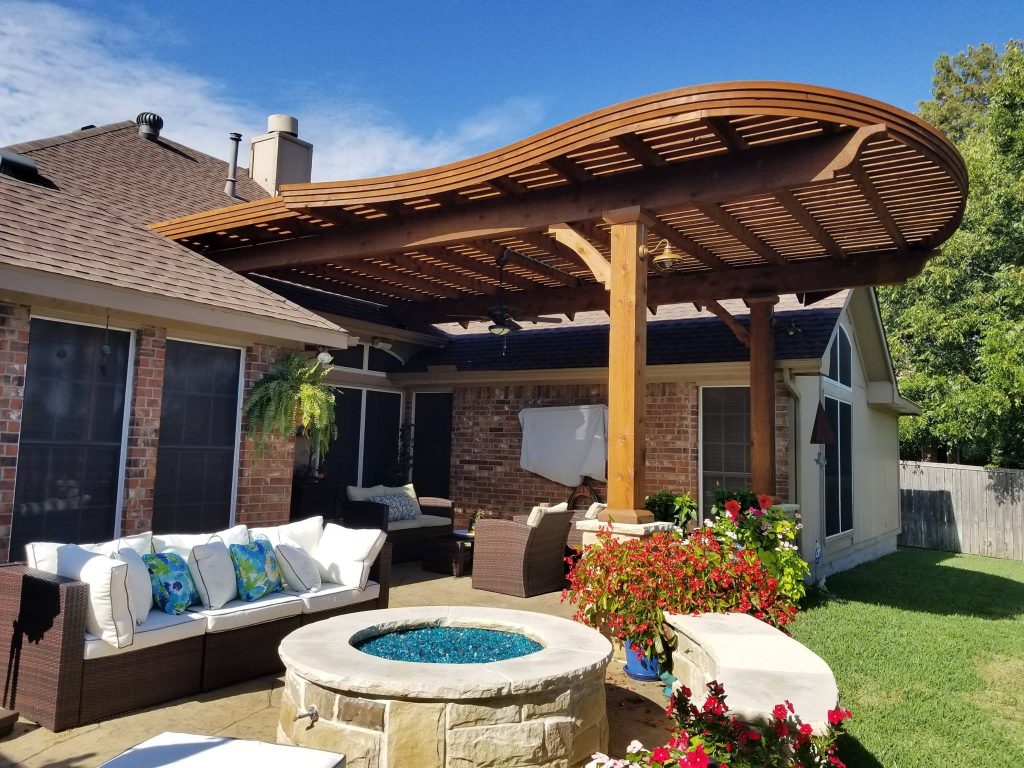
There is a moment that most DFW homeowners know well — you step outside on a beautiful spring afternoon, the temperature is perfect, the backyard looks great, and within twenty minutes the sun has shifted and you are looking for shade that does not exist. In North Texas, a backyard without a covered structure is a backyard you cannot fully enjoy for a significant portion of the year. The summer sun is relentless. Afternoons from May through September on an uncovered patio are genuinely uncomfortable for most people, and that discomfort costs you months of outdoor living that you paid for when you bought your home.
A custom pergola or patio cover changes that equation completely. It is the single most impactful structural addition you can make to an existing DFW outdoor space — the upgrade that transforms a patio you use occasionally into an outdoor room you use daily. At Texscape Solutions & Exteriors, pergolas and patio covers are among the most requested components in the outdoor living spaces we build across the Dallas–Fort Worth Metroplex. Over 14 years and 900+ completed projects in Denton, Lewisville, Flower Mound, and throughout North Texas, we have designed and built covered structures that have changed how hundreds of DFW homeowners experience their backyards.
This guide covers everything a DFW homeowner needs to know about pergolas and patio covers — the difference between them, what materials perform best in the North Texas climate, what the installation process looks like, how permits work, and how to choose the right structure for your specific property and lifestyle.
Why Shade Is Non-Negotiable for DFW Outdoor Spaces
The Dallas–Fort Worth area sits in a climate zone that delivers approximately 229 sunny days per year. That sounds like a gift — and in many ways it is. But the intensity of the Texas sun from late spring through early fall means that an uncovered outdoor space becomes functionally unusable during the hottest part of the day for four to five months of the year. An outdoor kitchen, a beautiful paver patio, a carefully designed outdoor living area — all of it goes unused from noon to six PM throughout the Texas summer if there is no shade structure protecting it.
A properly designed and built pergola or patio cover addresses this directly. It reduces the surface temperature of your patio by shielding the hardscape from direct sun. It creates a comfortable environment for outdoor dining and entertaining even on warm afternoons. It protects outdoor furniture, appliances, and the people using the space from the UV exposure that DFW summers deliver relentlessly. And it extends your comfortable outdoor season — in both directions — by making the space usable earlier in spring and later into fall when the evening temperature is comfortable but the afternoon sun is still intense.
Beyond the climate argument, a covered outdoor structure adds architectural definition and presence to a backyard in a way that nothing else quite matches. A pergola with masonry columns and integrated outdoor lighting creates an outdoor room that feels as intentional and finished as any interior space in the home. A solid patio cover that integrates with the home's roofline creates an architectural continuity that makes the backyard feel like a genuine extension of the living space rather than a separate area. Either way, the visual and functional transformation is immediate and significant.
Pergola vs. Patio Cover: What Is the Difference and Which One Is Right for You?
The terms pergola and patio cover are sometimes used interchangeably by DFW homeowners, but they describe meaningfully different structures with different performance characteristics. Understanding the distinction is the starting point for making the right decision for your property.
A pergola is an open-roof structure — typically consisting of vertical posts supporting horizontal beams and an open-slatted or latticed roof. Pergolas provide filtered shade, architectural presence, and the airy, open-air feel that makes a backyard space feel connected to the outdoors while still defining it as a room. A traditional pergola does not provide protection from rain and offers partial rather than full sun protection depending on the rafter spacing and orientation. In DFW, pergolas are most popular for homeowners who love the look and feel of an open structure, who are using the space during comfortable weather conditions, and who are primarily seeking the architectural definition and partial shade a pergola creates.
A patio cover — also called a solid roof cover, insulated patio cover, or attached shade structure — provides complete overhead coverage. Unlike a pergola, a solid patio cover blocks all direct sunlight from above and provides genuine rain protection. In DFW's climate, a solid patio cover dramatically extends the year-round usability of an outdoor space because it functions like a true outdoor room regardless of what the weather is doing. Solid patio covers are particularly popular over outdoor kitchens, dining areas, and spaces where homeowners want to be able to use the outdoor space regardless of temperature or weather conditions.
The hybrid option — a pergola with solid or translucent panel inserts — has become increasingly popular across the DFW Metroplex because it combines the aesthetic of an open pergola with meaningful weather protection. Polycarbonate panels installed between pergola rafters allow diffused natural light to come through while providing rain protection and significant UV blocking. This approach gives DFW homeowners the open, airy feel of a pergola with the practical weather performance closer to a solid cover — and it has become one of the most requested configurations in the DFW outdoor living market.
The right choice between a pergola, a solid cover, and a hybrid solution depends on how you intend to use the space, what your budget allows, what your HOA guidelines permit, and what architectural relationship you want the structure to have with your home. Texscape Solutions walks every DFW homeowner through these considerations during the design consultation and recommends the structure that best serves their specific goals.
Pergola and Patio Cover Materials for the DFW Climate
Material selection for a pergola or patio cover in North Texas is a decision that has significant implications for the long-term performance, maintenance requirements, and durability of the structure. DFW's climate puts outdoor structural materials through real stress — extreme heat, UV exposure, occasional severe weather including hail, and the periodic freeze events that North Texas experiences in winter. Every material choice needs to be evaluated with these climate realities in mind.
Cedar is the most popular wood choice for pergola construction in DFW, and for good reason. Cedar has natural oils that provide meaningful resistance to rot, insects, and moisture compared to other wood species — making it the most appropriate wood for outdoor structural use in North Texas. A cedar pergola has a warm, organic aesthetic that pairs beautifully with natural stone, brick, and the landscape elements most DFW homeowners incorporate into their outdoor spaces. The tradeoff is maintenance — cedar in the DFW climate should be sealed or stained every two to three years to prevent UV graying, surface checking, and moisture infiltration at connections and joints. A cedar pergola that is properly maintained looks genuinely beautiful for decades. One that is never treated will start showing deterioration within a few years of installation.
Aluminum has grown substantially in popularity for pergola and patio cover construction across DFW because it eliminates the maintenance commitment that wood demands. A quality aluminum pergola or patio cover does not rot, warp, rust, or require periodic sealing. Modern aluminum pergola systems come in a wide range of profiles and powder-coated finishes — including wood-grain patterns — that deliver a genuinely attractive finished appearance with virtually zero ongoing maintenance requirement. Aluminum handles DFW's thermal cycling well and does not warp or check the way wood does under extreme temperature swings. For DFW homeowners who want the architectural presence of a pergola without the maintenance schedule, aluminum is a compelling choice.
Steel and iron are premium structural materials used in pergola and shade structure construction when architectural strength and visual weight are design priorities. Steel structures can span longer distances without intermediate posts, creating open, unobstructed outdoor spaces that smaller-dimension wood or aluminum structures cannot achieve. Steel also allows for more dramatic and contemporary design expressions — clean, thin-profile structures with a deliberate architectural presence. Steel structures in DFW require appropriate coating and rust-prevention treatment given the region's humidity and occasional moisture, and Texscape Solutions specifies and applies appropriate finish systems for every steel structure we install.
Masonry columns are the element that elevates a pergola from a wood or aluminum structure to a permanent architectural feature. When a cedar or aluminum pergola is anchored by custom-built masonry columns — natural stone, brick, or manufactured stone veneer — the visual weight and sense of permanence changes completely. Masonry pergola columns create a structure that looks like it was always part of the property, not added afterward. They also provide a structural anchor for the pergola frame that is dramatically more stable than wood posts set in the ground or in surface-mount hardware. Texscape Solutions builds custom masonry columns as part of complete pergola installations throughout the DFW Metroplex, backed by our lifetime structural warranty.
Attached vs. Freestanding Structures in DFW
The question of whether a pergola or patio cover should be attached to the home or freestanding in the yard is one that Texscape Solutions discusses with every DFW homeowner during the design phase because the right answer depends on the specific property layout, the intended use of the structure, and in some cases the HOA guidelines of the community.
An attached pergola or patio cover connects directly to the home — typically to the exterior wall or fascia above the back door — creating an immediate indoor-outdoor flow that makes the covered space feel like a natural extension of the home's interior. Attached structures require only posts on the outer edge rather than all four corners, which reduces the number of posts in the space and creates a more open feel. The structural connection to the home also provides inherent stability. Attached pergolas and patio covers are the most common configuration for DFW backyard projects and work well for the majority of residential properties where the covered space is adjacent to the back of the home.
A freestanding pergola or patio cover stands independently in the yard, supported by posts on all four corners and with no structural connection to the home. Freestanding structures are appropriate when the covered space is not adjacent to the home — over a pool area, over a fire pit seating zone set away from the house, or over an outdoor kitchen positioned in the middle of the yard for design or function reasons. Freestanding structures require a more substantial footing system since they cannot rely on the home for any structural support, and Texscape Solutions specifies appropriate concrete pier footings for every freestanding structure we install in DFW's clay soil conditions.
The Permitting Process for Pergolas and Patio Covers in DFW
Pergolas and patio covers in the Dallas–Fort Worth area almost universally require building permits. The specific requirements vary by city — what Denton requires differs from Flower Mound, Lewisville, Southlake, or Keller — but the consistent reality across the DFW Metroplex is that a structure attached to your home or large enough to constitute a permanent outdoor addition requires a permit, engineering review in some cases, and a final inspection.
An outdoor structure contractor who suggests skipping the permit process to save time or cost is not doing you any favors. Unpermitted structures create liability for the homeowner, can result in required demolition if discovered, complicate the home sale process when an inspector identifies an unpermitted structure, and in some cases can affect your homeowner's insurance coverage if a claim arises related to the structure.
Texscape Solutions handles all permitting for every pergola and patio cover installation we complete across DFW. We know the requirements in each city we serve, we file the applications, coordinate any required engineering submittals, and manage all inspections through to final approval. Our clients never have to navigate the permit process themselves — it is a standard, included component of every project we build.
Tips for Planning Your DFW Pergola or Patio Cover
Orient your structure for maximum shade benefit during the hours you use the space most. In DFW, west-facing patios receive the most intense afternoon sun — a structure with appropriate depth and the right roof orientation can dramatically reduce heat load in those situations. Texscape Solutions designs every pergola and patio cover with solar orientation as a consideration in the structural design, not an afterthought.
Think about what you will hang from or mount to the structure when you are planning it. Ceiling fans are one of the most impactful comfort features in a covered DFW outdoor space — they make the space genuinely comfortable on warm evenings and in the transition seasons. Outdoor lighting, speakers, and heaters are other common mounting elements. All of these require appropriate structural blocking and electrical provisions that are far easier and less expensive to incorporate during construction than to retrofit after the structure is complete.
If your covered structure is going over an outdoor kitchen, make sure the roofline and height are appropriate for the cooking equipment below. A pergola that is too low over a built-in grill creates smoke and heat management problems. Texscape Solutions coordinates the structural design of covered outdoor kitchen spaces with the kitchen design itself to make sure both elements work together correctly.
Consider the long-term maintenance commitment of the material you choose before you commit. A cedar pergola that you will genuinely maintain every two to three years will look beautiful indefinitely. A cedar pergola that you know you will not maintain regularly will become a source of frustration. Aluminum requires essentially no maintenance but has a different aesthetic. Be honest with yourself about your maintenance habits and let that inform the material selection.
Pergola and Patio Cover Installation Across the DFW Metroplex
Texscape Solutions & Exteriors designs and builds custom pergolas and patio covers for homeowners throughout Dallas–Fort Worth — including Denton, Lewisville, Flower Mound, Highland Village, Argyle, Corinth, Lake Dallas, Grapevine, Southlake, Keller, Roanoke, Trophy Club, Coppell, and 17+ surrounding North Texas communities. Every structure we build is custom-designed for the specific property, specified for DFW's climate, permitted through the appropriate local authority, and backed by our 100% satisfaction guarantee and lifetime structural warranty on all masonry work.
When Texscape Solutions builds a pergola or patio cover, we build it as part of a complete outdoor living environment — designed in context with the patio surface, the outdoor kitchen, the fire feature, the landscaping, and the fencing. The structures we build are not bolt-together kits assembled on a concrete pad. They are custom-designed architectural elements that become permanent, valued features of the properties they are built on. That distinction is visible immediately in the finished result — and it is the standard we bring to every project we complete across the DFW Metroplex.

If you are ready to transform your DFW backyard into a space you can actually use and enjoy through the Texas summer, a custom pergola or patio cover from Texscape Solutions is the place to start. Schedule your free on-site consultation today — no obligation, no pressure, just a clear plan for the covered outdoor space your North Texas property deserves.


.svg)
.svg)